Northern Arc: Draft Increases and New Safety ...
read more

The small riverport in Barcarena, Pará, has experienced an increase in cocaine seizures, serving as another reminder to shipowners and masters that all Brazilian ports, regardless of size, are vulnerable to the drug threat
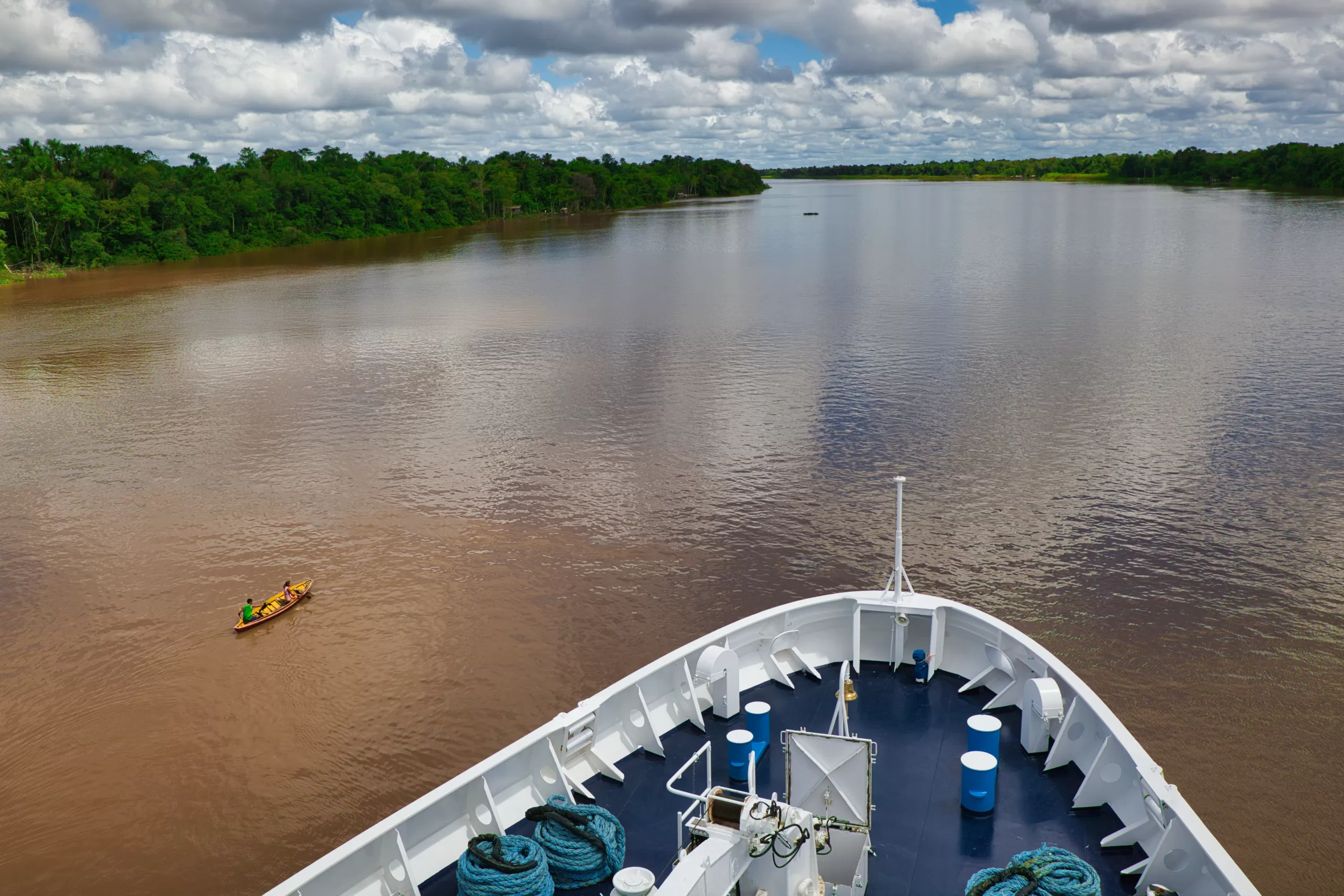
Brazil’s North region, the largest by land area but sparsely populated, is a major transit route for illicit drugs, weapons, and wildlife destined for the domestic market or international transit. The primary smuggling pathways run along the extensive, barely patrolled Amazon borders with Bolivia, Peru, and Colombia – the world’s leading cocaine-producing countries.
Key drug entry and transit points include virtually all ports from Manaus, in the Western Amazon, to Belém in the Eastern Amazon, where inland waterways are exploited for trafficking. Frequent seizures occur near river ports such as Manaus, Itacoatiara, Santarém, Belém, Vila do Conde (Barcarena), and Santana (Macapá). Oceangoing ships visiting these ports face the risk of unknowingly transporting illicit drugs and encountering navigation and security challenges.
A sea chest is an underwater compartment in a ship’s hull, used for seawater intake for ballast, firefighting, and engine cooling. Over the past five years, Brazilian narco-divers have exploited this space to hide large amounts of cocaine – usually without the crew’s knowledge. According to the US State Department, recoveries from sea chests at Brazilian ports increased from 2.4% in 2019 to over 30% in 2024.
More than 80 ships reported cocaine contamination in their sea chests over the past five years, resulting in seizures of nearly 13 tonnes of the stimulant drug. Many of these cases have been uncovered through preventive underwater surveys arranged by ship operators or police intelligence efforts. In 2024 alone, over one tonne of cocaine was seized from the sea chests of eleven ships, predominantly in Santos, with additional seizures in Paranaguá, Imbituba, Santana, and Pecém, among others. Furthermore, at least seven vessels departing Brazil were intercepted abroad with cocaine hidden in their sea chests.
Vila do Conde, in the small town of Barcarena, is Brazil’s leading port for livestock exports.
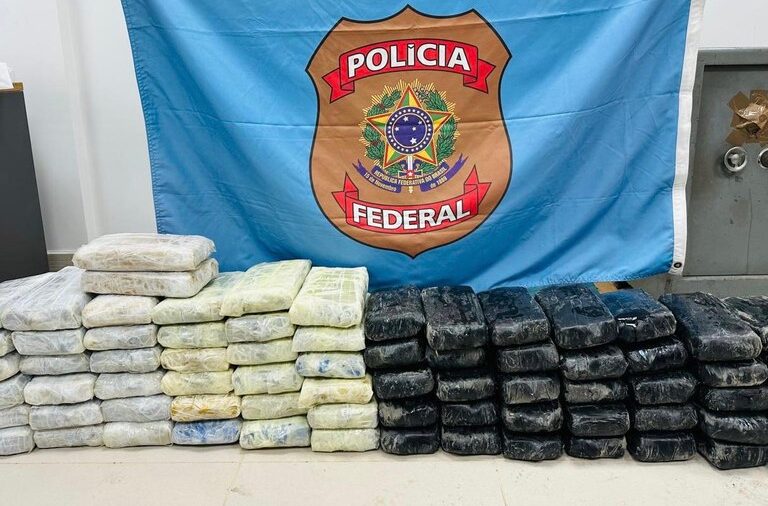
Last Friday (12), the local Federal Police recovered two watertight packages containing 92 kilos of cocaine paste (in 78 tablets) from a sea chest on a Lebanese-flagged livestock carrier. The vessel arrived in ballast from Las Palmas, Spain, to load livestock in Vila do Conde destined for Middle Eastern ports.
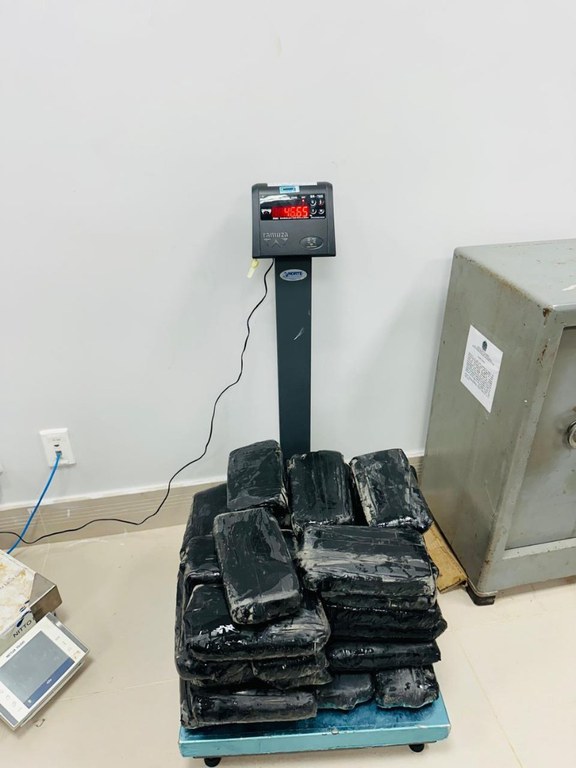
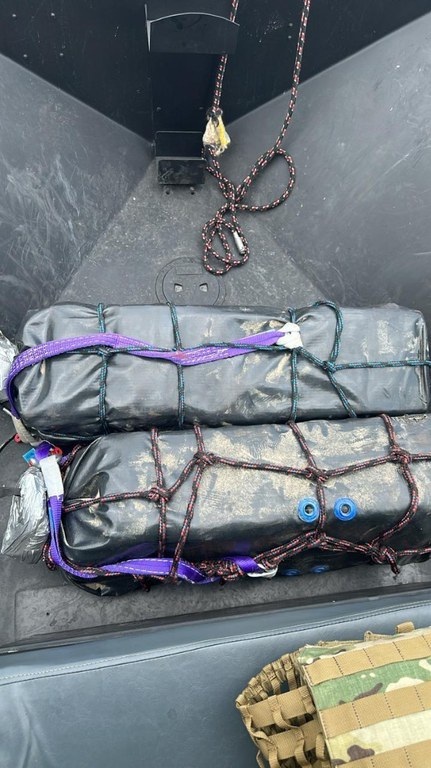
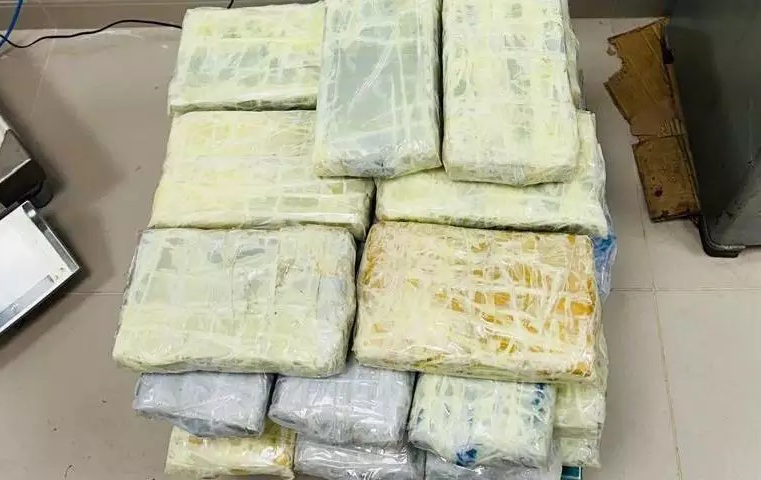
Exactly one year earlier, authorities seized 39 kg of cocaine from another livestock carrier arriving from Europe to load oxen bound for the Middle East. The drugs were hidden in the hull and also inside a compartment on board.
No arrests were reported in either case.
Shipping containers remain a preferred method for drug smugglers, as evidenced by the large quantities recovered by customs and police forces at port terminals. In 2024, authorities intercepted 42 containers carrying over 11 tonnes of cocaine. The drugs were concealed in dry containers through the ‘rip on/rip off’ method. Additionally, narcotics are often hidden in refrigerated containers, either within the cargo load or integrated into the container’s superstructure and fittings (inner walls, front panel, ceiling, or floor.
Last month, a joint effort by the Federal Police and the Federal Revenue Department found 30 packages with one kilo of cocaine apiece stashed behind the control panel of a reefer container laden with açaí berries bound for Sydney, Australia. A customs sniffer dog detected the drugs.
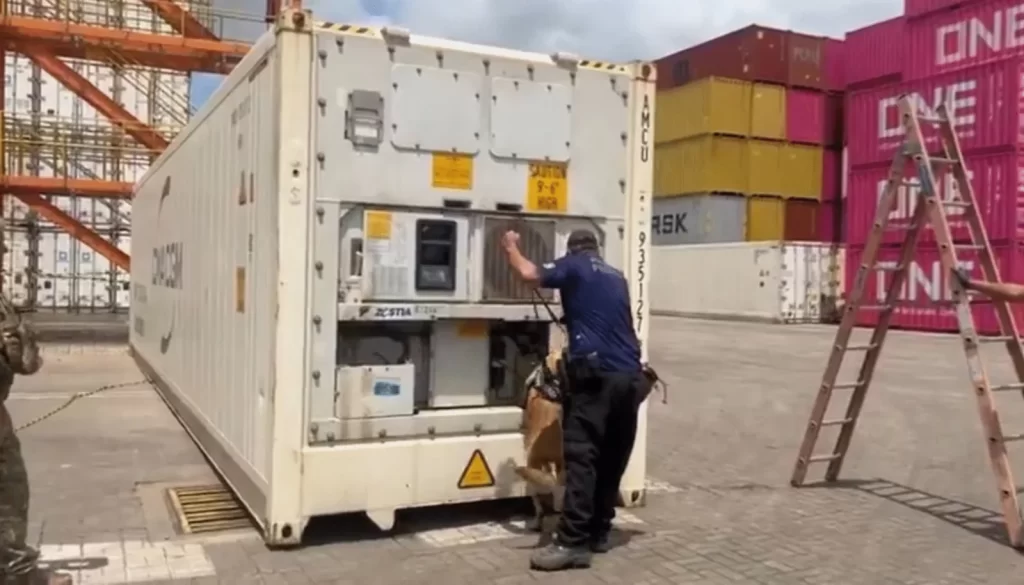
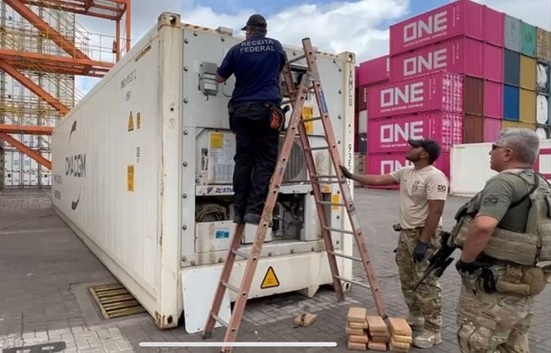
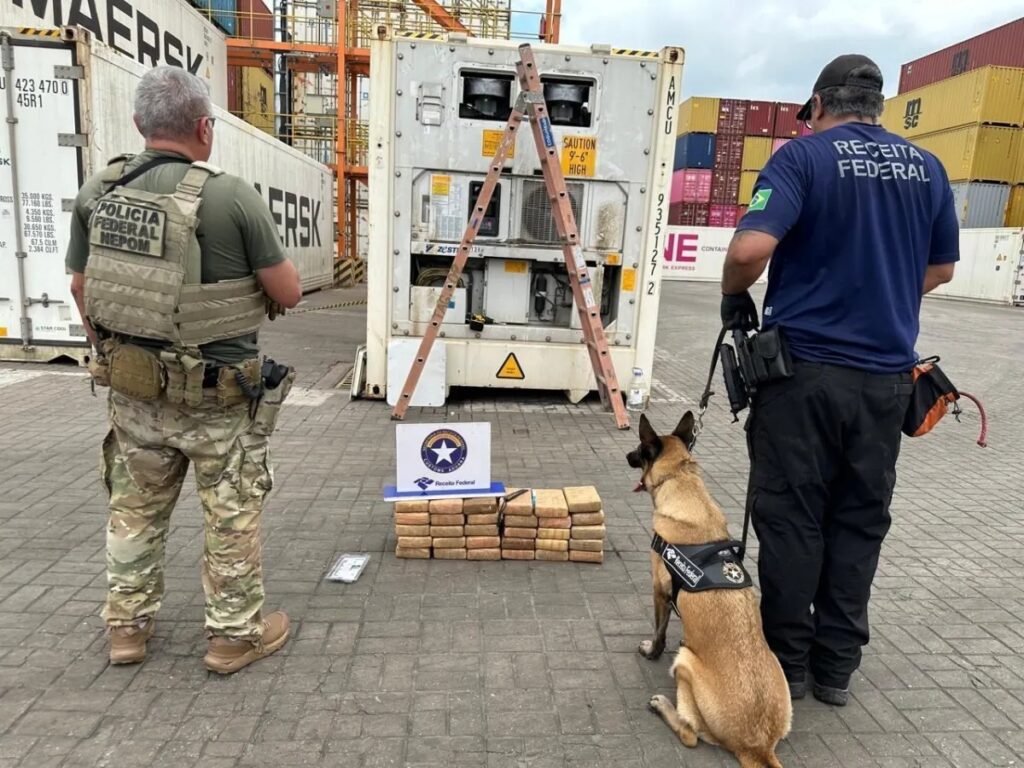
Vila do Conde holds the record for the largest containerised smuggling in Brazil: approximately 2,750 kg of cocaine hydrochloride, recovered in November 2022.
The recent incidents in Vila do Conde underscore that all Brazilian ports are at varying risk of drug contamination. Traffickers adapt by shifting routes and employing secondary departure points to evade law enforcement. While the southern ports – such as Santos, Paranagua and Rio de Janeiro – see most cocaine seizures, substantial quantities are also intercepted in smaller port complexes across the North and Northeast regions.
While authorities tend to assume crew members are unaware or uninvolved in such illicit activities – when the drugs are hidden in underwater hull compartments or inside containers – this approach can change dramatically if drugs are found in accessible areas onboard. Regardless of a port’s reputation, shipmasters and crews navigating Brazilian waters should exercise vigilance throughout their stay in the country, whether at anchorage or alongside. Trafficking methods are continually evolving, and the associated criminal penalties include sentences of 5 to 15 years in prison, fines, and higher charges for transnational crimes.
Shipmasters and ship security officers must ensure that the ship’s security manual is current, thoroughly tested, and strictly enforced. They should also encourage crew members to review industry guidance issued by P&I clubs and international shipping organisations.
Since the COVID-19 outbreak, shipborne drug trafficking patterns have significantly shifted. As a result, numerous security service providers have emerged, offering solutions such as extra watchkeeping, CCTV coverage, K9 units, and underwater surveys. While these measures can help prevent or reduce drug trafficking risks, ship operators and shipping agents must ensure that the contractors are properly vetted and that all required permits from the maritime authority and relevant port authorities are obtained to ensure compliance.
This guide on shipborne trafficking in Brazil offers comprehensive advice on managing and mitigating the drug threat.
Please read our disclaimer.
Rua Itororó, 3 - 3rd floor
11010-071 - Santos, SP - Brazil
Telephone +55 13 4009 9550
proinde@proinde.com.br
Rua Barão de Cotegipe, 443 - Sala 610 - 96200-290 - Rio Grande/RS - Brazil
Telephone +55 53 3233 1500
proinde.riogrande@proinde.com.br
Av. Rio Branco, 45 - sala 2402
20090-003 - Rio de Janeiro, RJ - Brazil
Telephone +55 21 2253 6145
proinde.rio@proinde.com.br
Rua Professor Elpidio Pimentel, 320 sala 401 - 29065-060 – Vitoria, ES – Brazil
Telephone: +55 27 3337 1178
proinde.vitoria@proinde.com.br
Rua Miguel Calmon, 19 - sala 702 - 40015-010 – Salvador, BA – Brazil
Telephone: +55 71 3242 3384
proinde.salvador@proinde.com.br
Av. Visconde de Jequitinhonha, 209 - sala 402 - 51021-190 - Recife, PE - Brazil
Telephone +55 81 3328 6414
proinde.recife@proinde.com.br
Rua Osvaldo Cruz, 01, Sala 1408
60125-150 – Fortaleza-CE – Brazil
Telephone +55 85 3099 4068
proinde.fortaleza@proinde.com.br
Rua dos Azulões, Sala 111 - Edifício Office Tower - 65075-060 - São Luis, MA - Brazil
Telephone +55 98 99101-2939
proinde.belem@proinde.com.br
Tv. Joaquim Furtado, Quadra 314, Lote 01, Sala 206 - 68447-000 – Barcarena, PA – Brazil
Telephone +55 91 99393 4252
proinde.belem@proinde.com.br
Av. Dr. Theomario Pinto da Costa, 811 - sala 204 - 69050-055 - Manaus, AM - Brazil
Telephone +55 92 3307-0653
proinde.manaus@proinde.com.br