Cocaine Concealment on Ships Surges
read more

As port security improves at Brazilian container terminals, smugglers move cocaine on and under ships—raising risks for seafarers and owners
Global cocaine production reached a record of about 4,100 tonnes in 2024, according to the UNODC World Drug Report 2026. Traffickers are adapting their methods rather than reducing shipments. As enforcement tightens at major North European container ports, trafficking flows are shifting towards Spain, Portugal, France, smaller ports, and back through West and Central Africa (Figure 1).
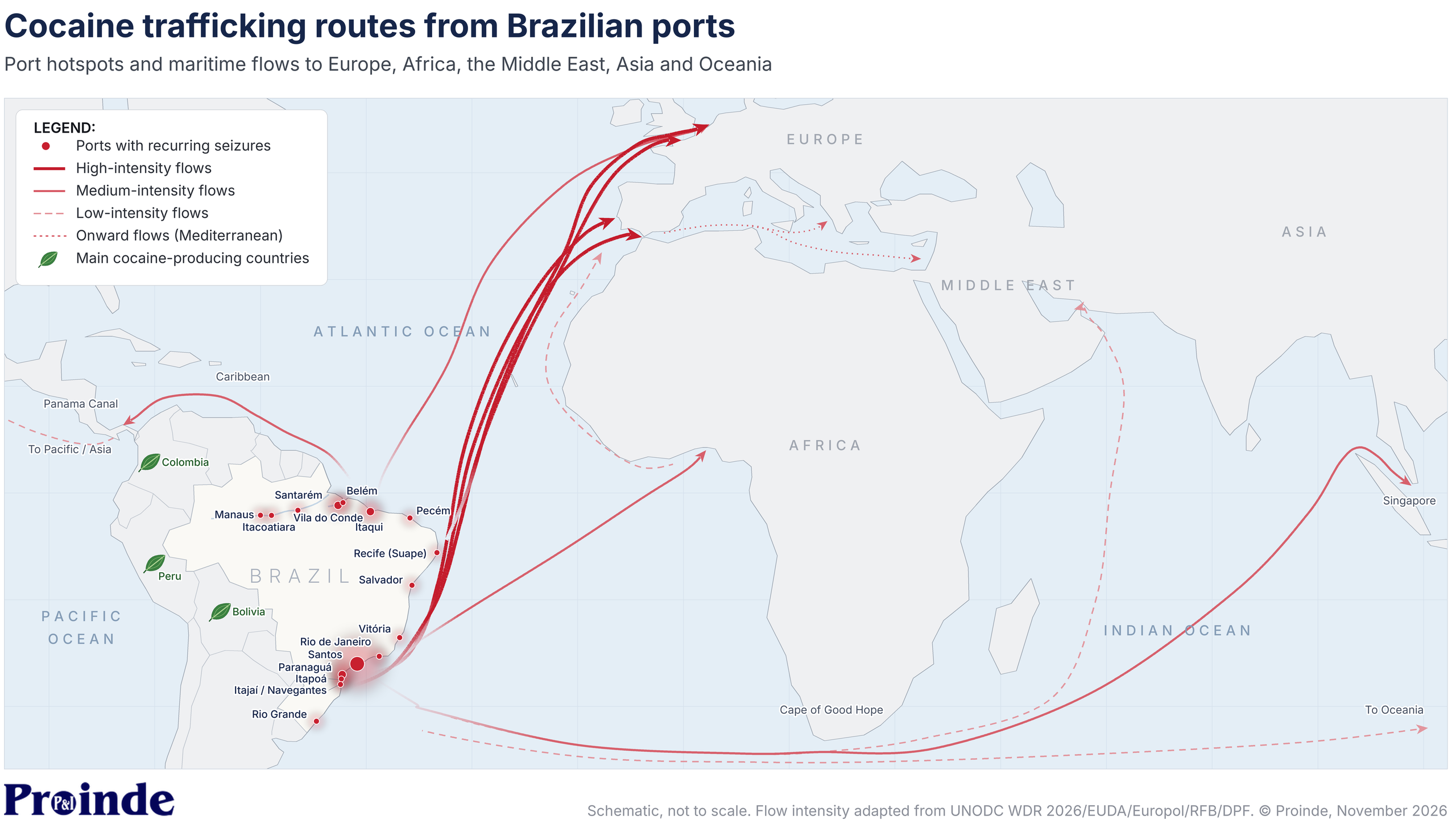
The EUDA European Drug Report 2026 shows that the quantity of cocaine seized in the EU fell from 419 tonnes in 2023 to 330 tonnes in 2024, while the number of seizures rose to about 97,000. Recent figures from Antwerp (5.4 tonnes in the first half of 2026, compared with 16.7 tonnes a year earlier) and Rotterdam (11.5 tonnes in 2025, against 25 tonnes in 2024) confirm falling port-level volumes – pointing to a change of method rather than a shrinking market. Europol’s report, Diversification in Maritime Cocaine Trafficking Modi Operandi, highlights at-sea transfers, semi-submersibles and below-the-waterline concealments, particularly inside sea chests, used by smugglers as drug stashes.
Brazil-linked ships feature prominently in this picture, as shown by Spain’s largest-ever seizure at sea in January 2026, when police found almost ten tonnes of cocaine hidden in a cargo of salt on a ship that had sailed from Brazil.
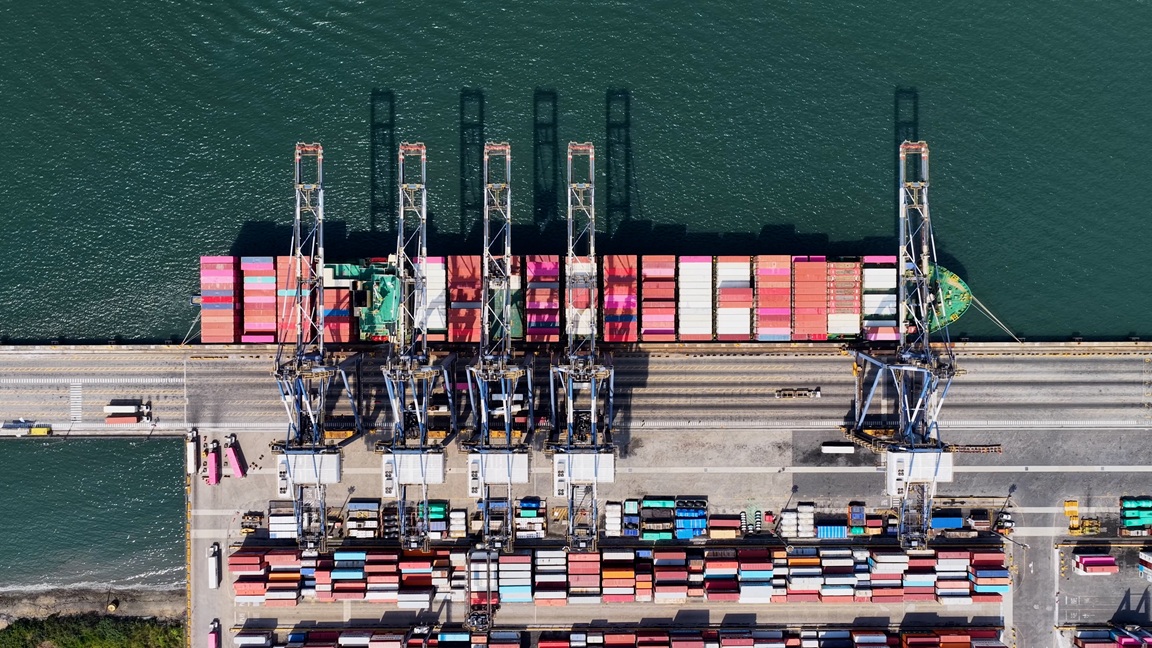
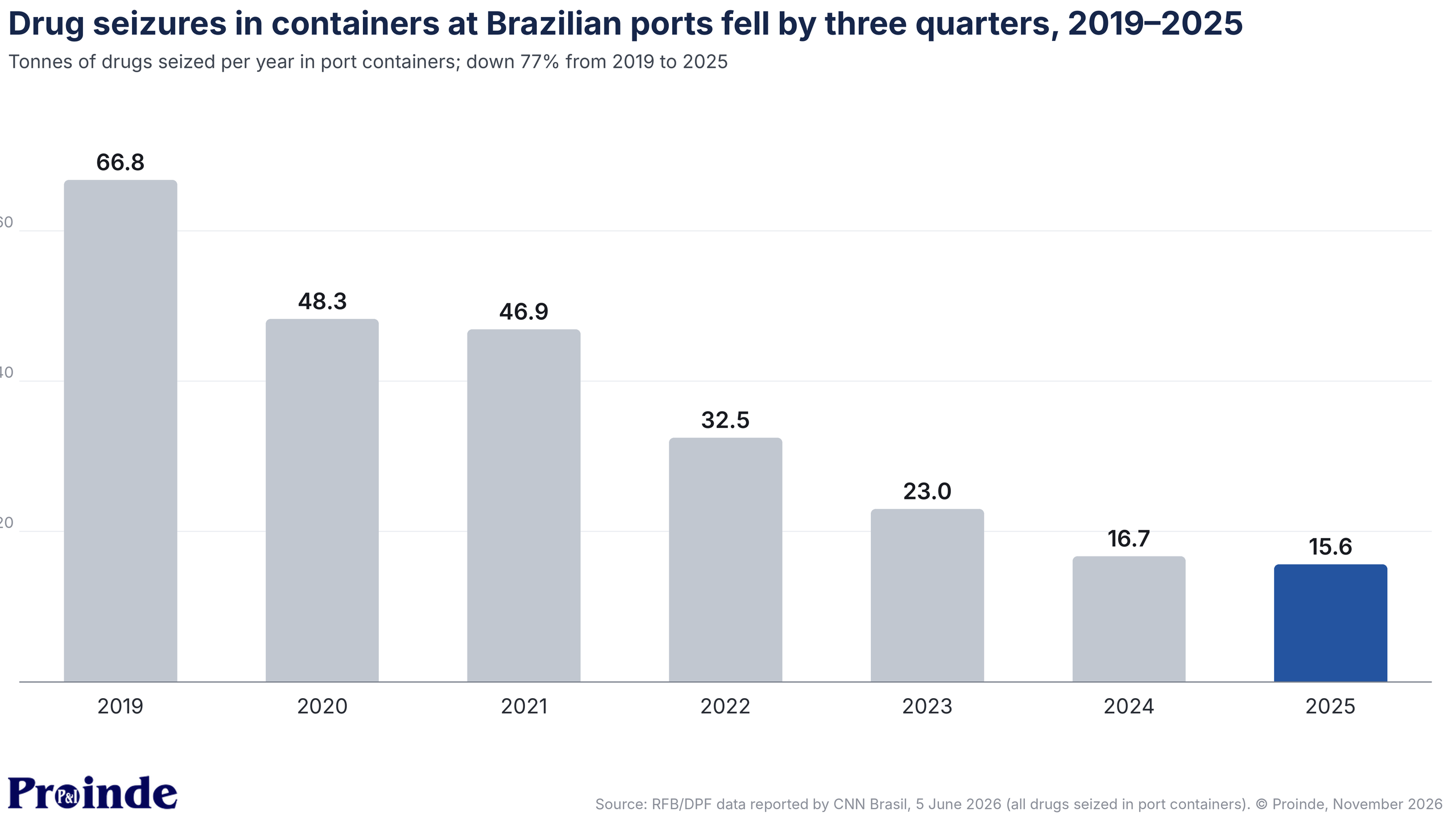
Drug seizures in Brazilian port containers have fallen every year since 2019, from about 67 tonnes to 15.6 tonnes in 2025 (Figure 2). The authorities attribute the decline to tighter controls at the main terminals, including better risk assessment and profiling, full scanning of exports, more CCTV and stricter access control. Yet the Federal Police see the fall as a sign of traffickers turning to other routes and methods, including fishing vessels, not a shrinking trade. Santos remains by far the main hotspot, while Paranaguá, the Santa Catarina ports (Itapoá, Itajaí/Navegantes, São Francisco do Sul and Imbituba) and Salvador continue to record regular cases. Even so, shipping containers remain the main channel for large shipments, hidden either within legitimate cargo or in the structure of the container.
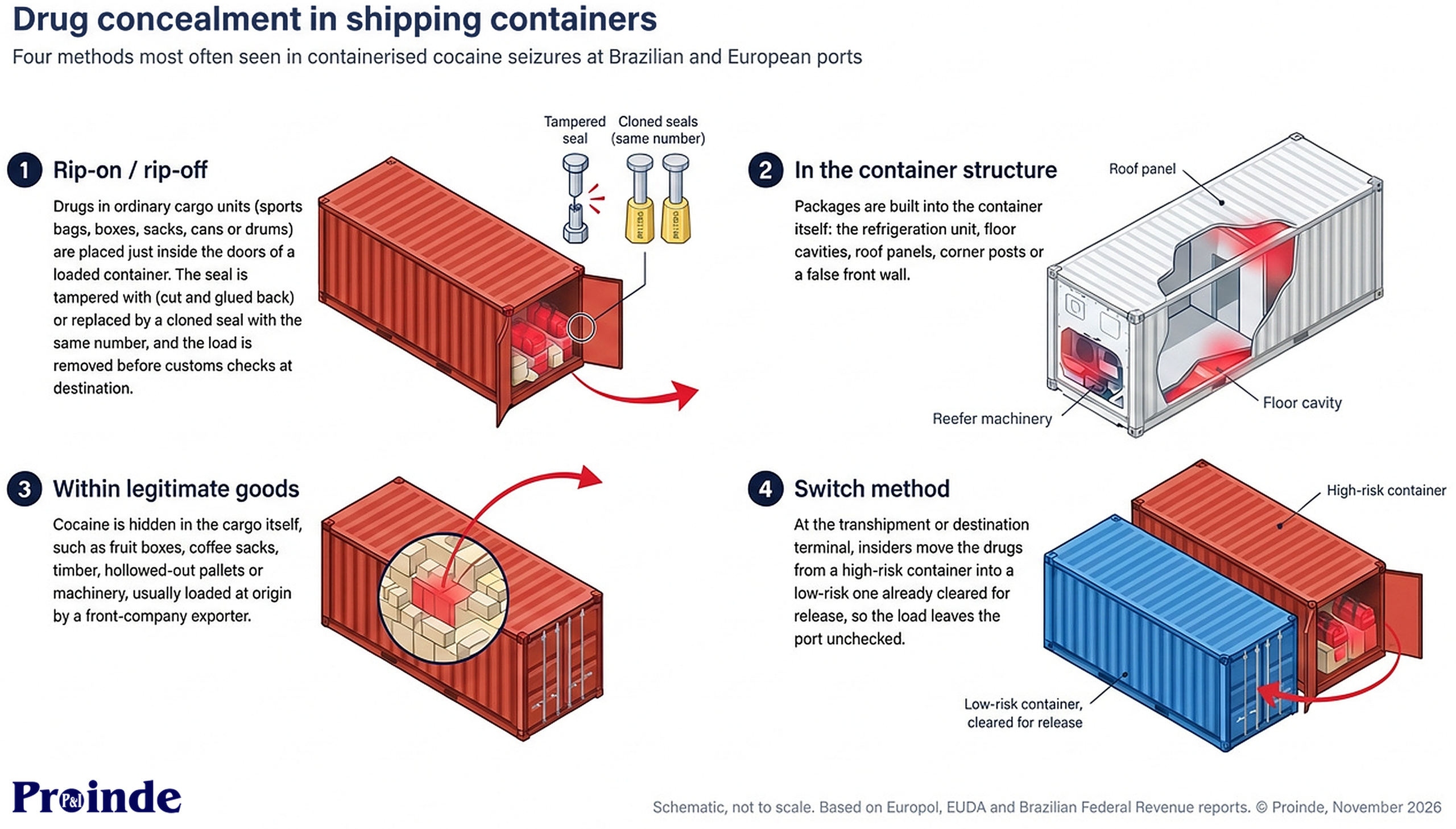
Traffickers rely on four primary methods to move cocaine in shipping containers (Figure 3): loads placed just inside the doors of a sealed container (rip-on/rip-off), packages built into the container structure, drugs hidden within legitimate cargo, and the switch method, where the drugs are moved into a low-risk container at a terminal and retrieved before delivery to the consignee.
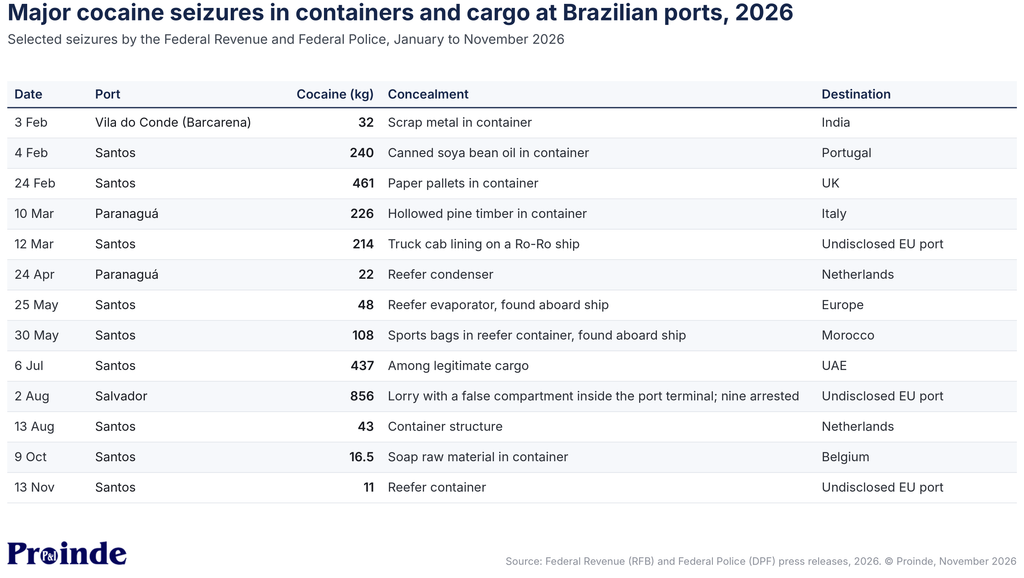
Seizure figures should be treated with caution. Federal Police and Federal Revenue only record the seizures they lead, do not publish consolidated data, and do not break down by concealment method. The statistics cover only intercepted shipments, while many more likely pass undetected, as shown in Table 1.
In March 2026, an operational audit by the Federal Court of Accounts (TCU) concluded that around 40% of the cocaine seized in Brazil between 2020 and 2023 – some 155 tonnes – was found in port areas. It pointed to:
These gaps are not new. In 2021, a TCU ruling had already ordered the national port security commission (CONPORTOS) to set a timetable for ports and terminals to meet its security requirements, and its implementation is still being monitored.
Records in the IMO Global Integrated Shipping Information System (GISIS), consulted in November 2026, show that 122 of the 229 active Brazilian port facilities (53%) have not had a Statement of Compliance (SoC) issued in the past five years, and about half have had no security plan approved or reviewed during this period. The share exceeds half in Santos (29 of 49 facilities), Rio de Janeiro, Suape and Belém. Bulk terminals often lack the layered security of the main container hubs, as operators of lower-value commodity cargoes have historically invested less in perimeter fencing and electronic monitoring. Despite potential lag in the GISIS database, shipmasters and ship security officers should not assume shore-side security complies with ISPS Code standards.
While container seizures fall, cocaine hidden on and under merchant ships keeps resurfacing. In 2023, sea chest seizures nearly tripled, from 752 kg to 2,272 kg, even as cocaine seizures in port areas fell from 23.7 to 14.8 tonnes. After dropping to 695 kg in 2024 and 100 kg in 2025, they have risen again in 2026. Customs records show that sea chest seizures this year – about 630 kg so far – are already more than six times last year’s total. A World Customs Organization survey attributes to Brazil 63% of the 76 seizures of cocaine found in submerged ship structures in 2023 and 2024.
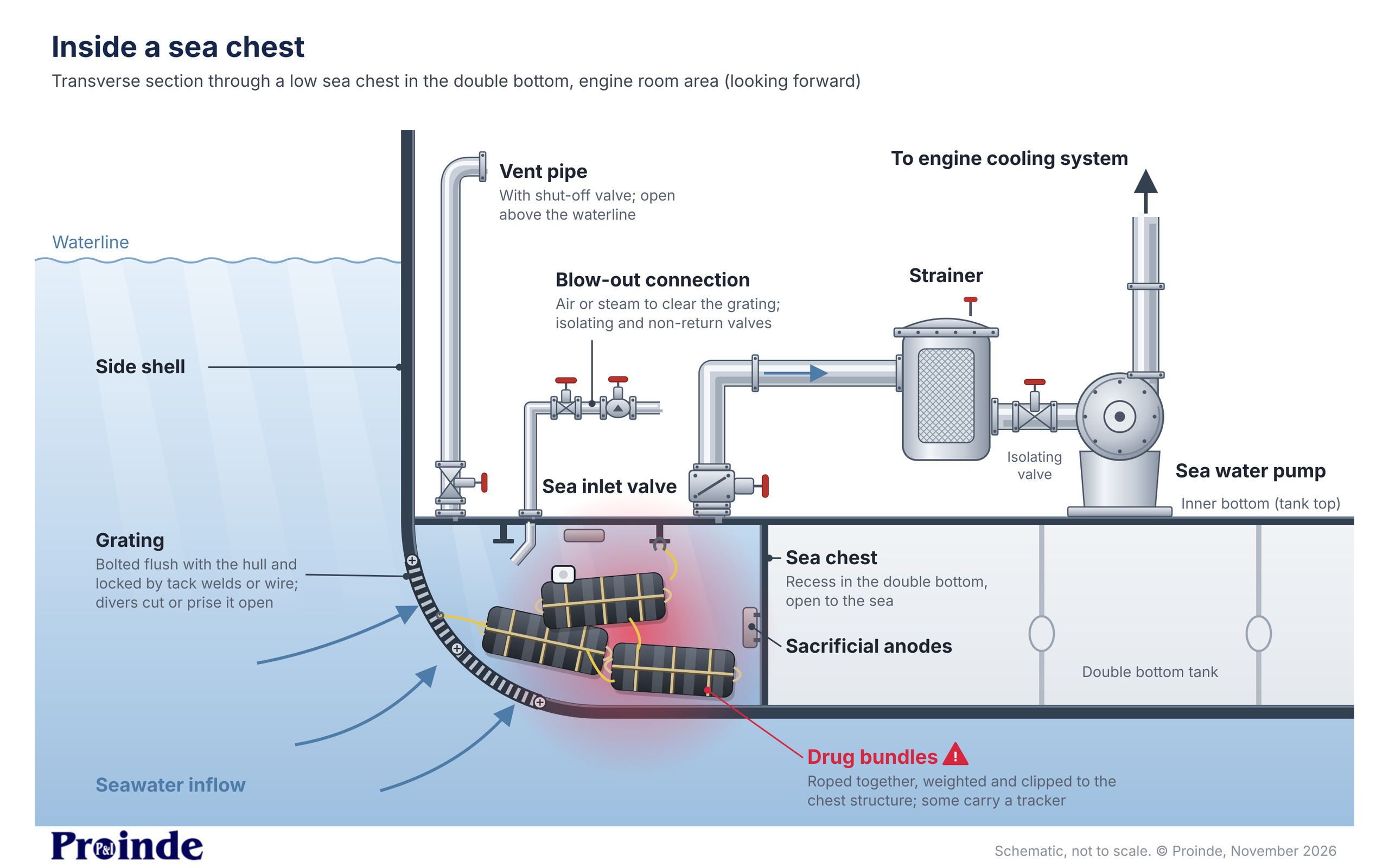
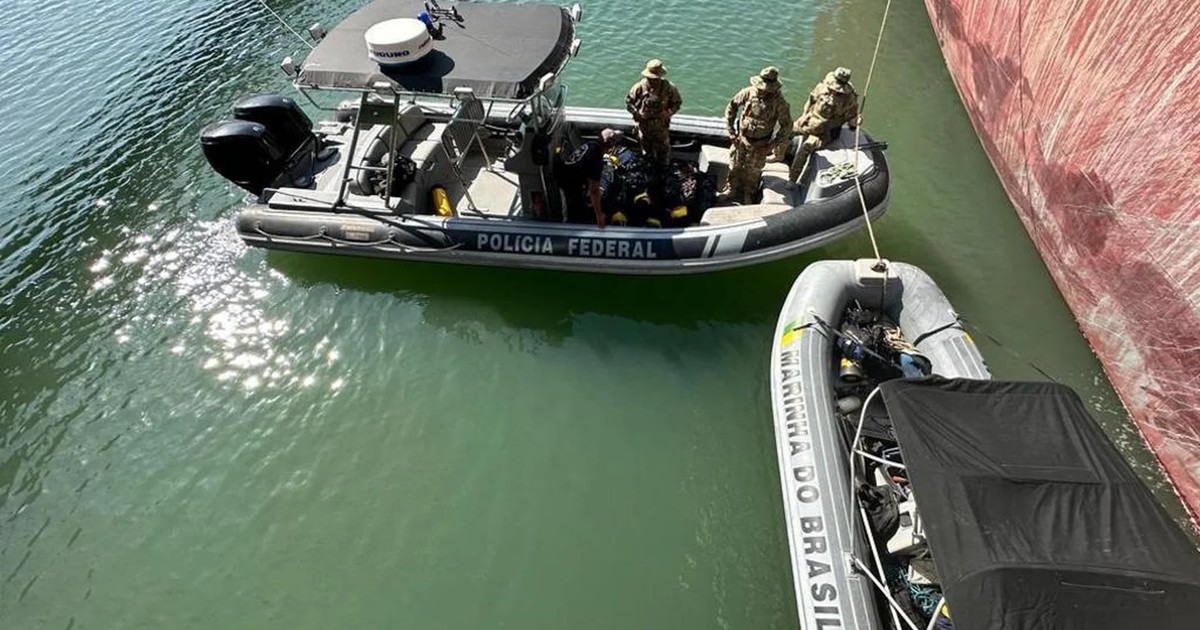
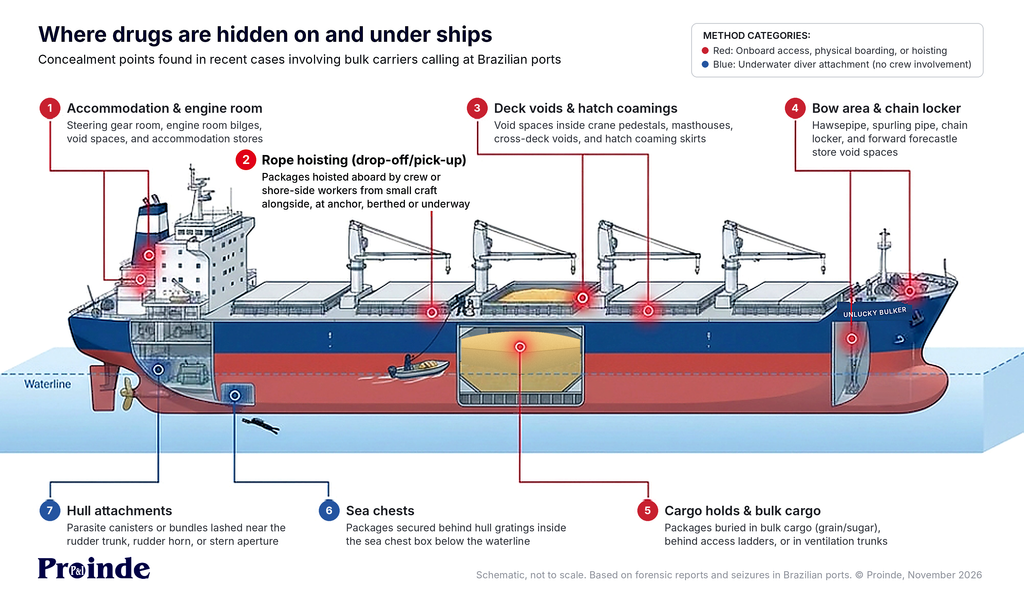
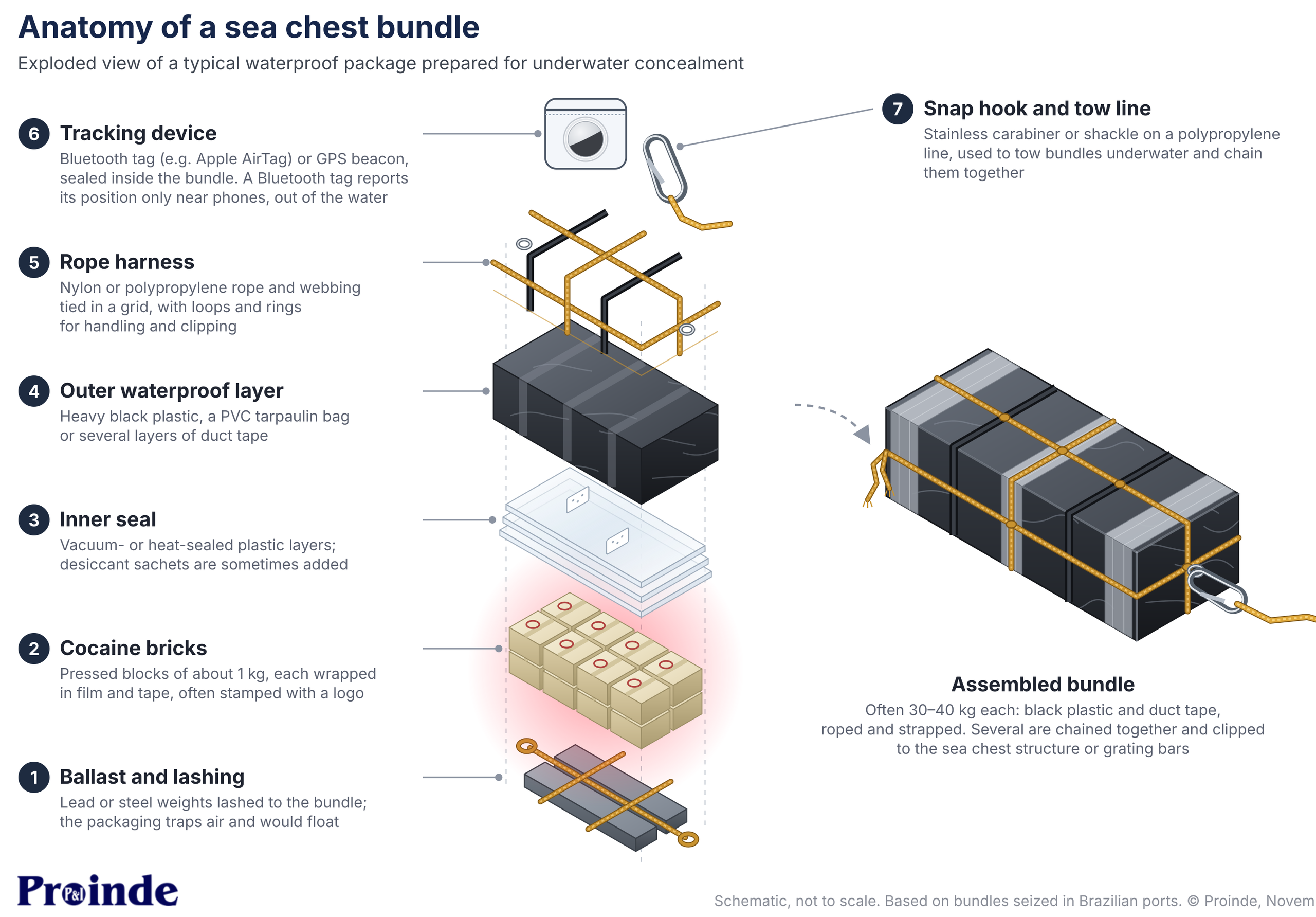
The method is well established. Divers work at night, open sea chest grates, and insert weighted, waterproof bundles to be retrieved by other divers at the destination or during the voyage (Figures 4, 5 & 7). Recent cases show refinements:
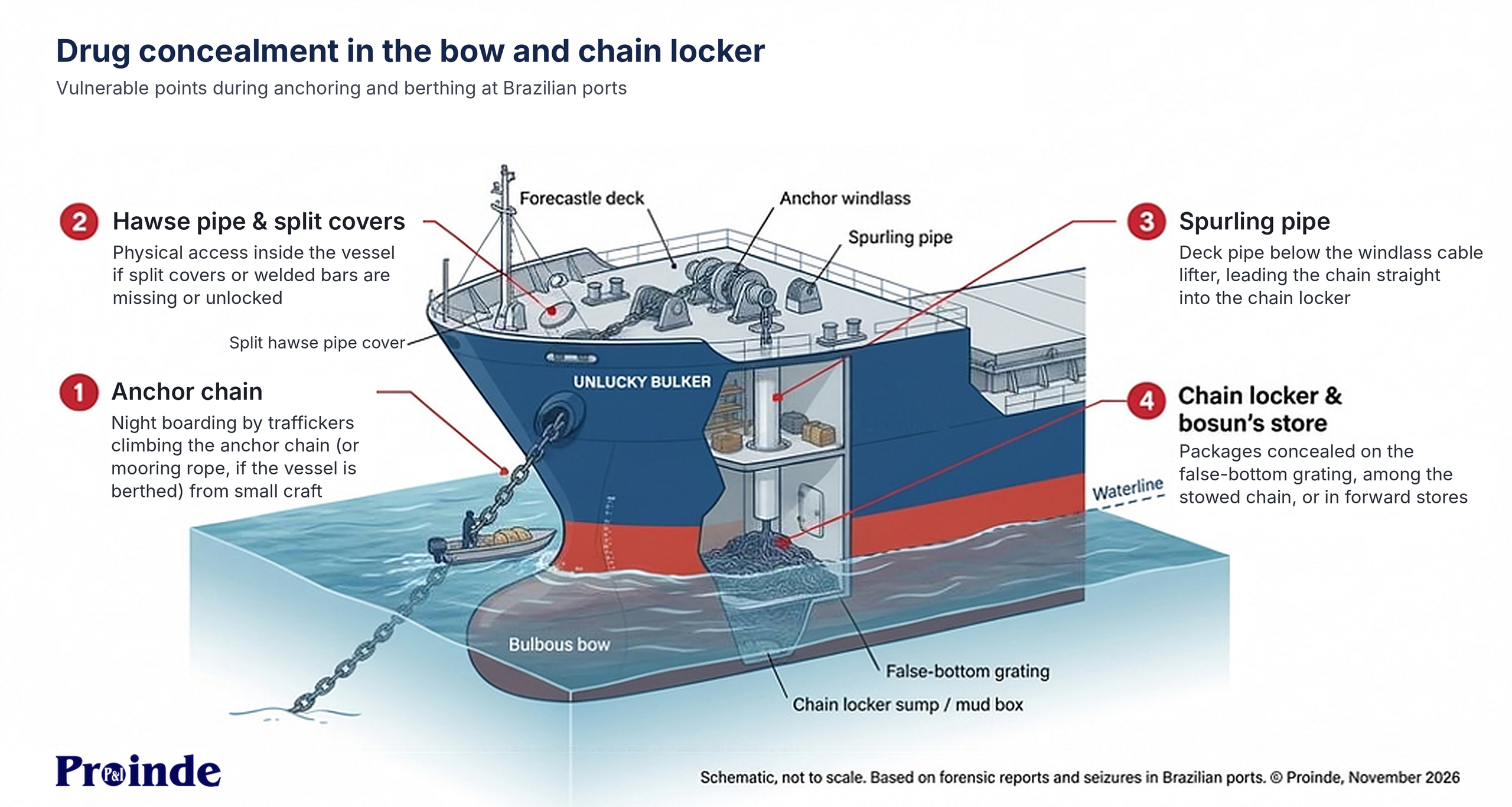
Authorities have also found packages in deck void spaces and bulk cargo holds (Figures 4 & 6).
Recent cases illustrate the upward trend in concealment on and under ships:
Targets and routes are widening. Bulk carriers remain the primary target for underwater concealment because they spend longer periods at anchor and alongside less secure port facilities. Container ships, general cargo ships, and livestock carriers are also targeted on routes to Europe, Africa, the Middle East, and Asia.
The Northern Arc ports are a growing concern. In the Amazon, traffickers use river systems bordering Colombia, Peru and Bolivia to move cocaine towards Manaus, Santarém, Belém, Vila do Conde (Barcarena) and Santana (Macapá), where bulk carriers often wait at remote anchorages. Turbid, fast-flowing estuarine waters make visual hull inspections by divers largely ineffective and hazardous.
Not all drug concealment happens underwater. At anchor, smugglers climb the anchor chain from small craft and hide packages in the hawse pipe, the chain locker or the forecastle stores (Figure 6). When the ship is berthed, the mooring ropes offer the same route. Where the freeboard is low, as on a fully laden ship, intruders may even board from a boat using a rope with a grappling hook. In November, the master of a ship berthed at Santos and bound for Morocco spotted four men at the bow mooring area; the Federal Police then found 153 kg of cocaine on board.
Beyond a ship’s profile – its size, route, and schedule – traffickers assess how well it is guarded while at anchor and alongside at night. Ships with regular deck patrols and well-lit sides are usually avoided in favour of less secure vessels. On bulk carriers, small crews focused on cargo operations may leave areas unwatched. Insiders such as stevedores, cleaners, or barge crews often act as spotters or facilitators for intrusions.
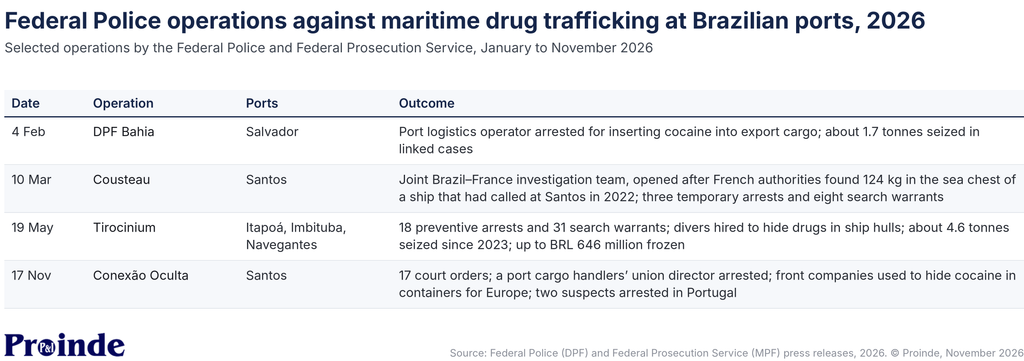
Federal Police investigations this year have targeted individuals who load the drugs, including professional divers, port workers and front-company exporters, often in cooperation with European police (Table 2).
For owners and masters, the practical point is that Brazilian investigations focus on local crime networks. Alerts from the crew or the owner’s contractors can trigger these seizures. For example:
The greatest legal and financial risk for owners arises when drugs loaded in Brazil are found at the next port. In Brazil, the Federal Police usually treat the crew as victims when cocaine is found under the hull, and ships normally sail once the drugs are removed. Elsewhere, crews are often presumed complicit (Figure 8).
Nigeria is the clearest example. Since 2021, at least a dozen bulk carriers loaded with sugar at Santos have been intercepted before departure or on arrival at Lagos, as described in our article The Sour Taste of Sugar. Crews have been detained for months or years, and recent cases have ended in convictions of ships and seafarers, with fines running into millions of US dollars.
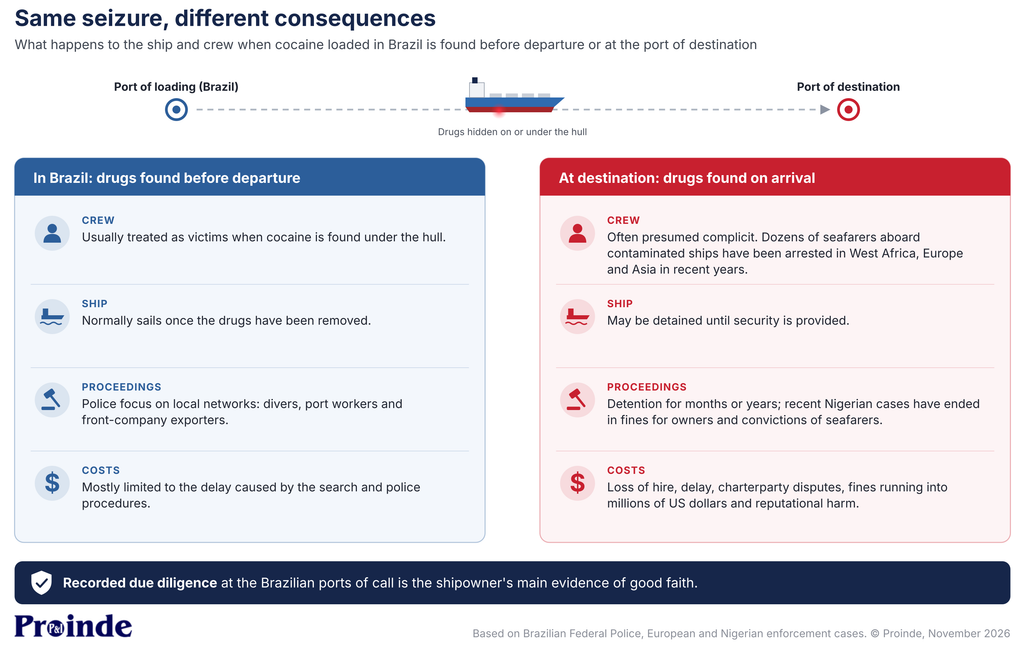
In Europe, all thirteen crew members of a cargo ship intercepted by Spain in January 2026 were arrested. Wherever drugs are found, destination authorities may detain the ship until security is provided, resulting in loss of hire, delay, disputes, and reputational harm. Documented due diligence at Brazilian ports is the shipowner’s main evidence of good faith.
No measure can absolutely guarantee that a ship will not be used by traffickers. However, a ship that can demonstrate recorded and consistent due diligence at its Brazilian ports of call will be much better placed to protect its crew and avoid detention if drugs are discovered at the next port. The measures below should be incorporated into the Ship Security Plan (SSP) and tailored to the risk assessment for each call (Figure 9).
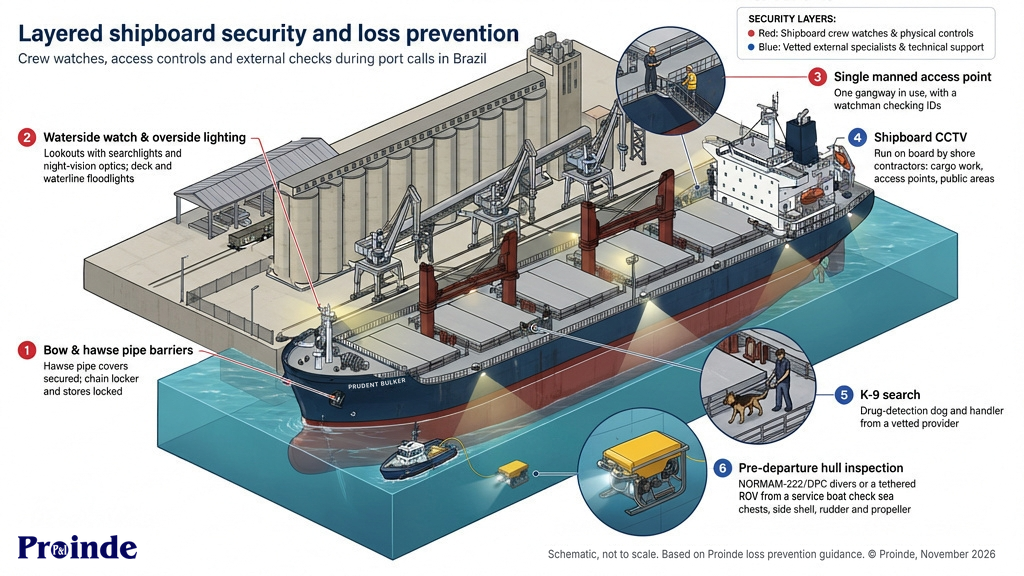
Shore-side services, such as additional guards, CCTV, or sniffer dogs, should be deployed based on risk assessment and with vetted providers, not by default or on cost alone.
The fall in seizure figures does not mean that less cocaine is passing through Brazil; traffickers have moved to smaller, scattered loads through regional ports, river networks, bulk terminals and the ships themselves. Masters should treat every Brazilian port call as a potential contamination risk.
Please read our Disclaimer.
Related Topics:
Rua Itororó, 3 - 3rd floor
11010-071 - Santos, SP - Brazil
Telephone +55 13 4009 9550
proinde@proinde.com.br
Rua Barão de Cotegipe, 443 - Sala 610 - 96200-290 - Rio Grande/RS - Brazil
Telephone +55 53 3233 1500
proinde.riogrande@proinde.com.br
Av. Rio Branco, 45 - sala 2402
20090-003 - Rio de Janeiro, RJ - Brazil
Telephone +55 21 2253 6145
proinde.rio@proinde.com.br
Rua Professor Elpidio Pimentel, 320 sala 401 - 29065-060 – Vitoria, ES – Brazil
Telephone: +55 27 3337 1178
proinde.vitoria@proinde.com.br
Rua Miguel Calmon, 19 - sala 702 - 40015-010 – Salvador, BA – Brazil
Telephone: +55 71 3242 3384
proinde.salvador@proinde.com.br
Av. Visconde de Jequitinhonha, 209 - sala 402 - 51021-190 - Recife, PE - Brazil
Telephone +55 81 3328 6414
proinde.recife@proinde.com.br
Rua Osvaldo Cruz, 01, Sala 1408
60125-150 – Fortaleza-CE – Brazil
Telephone +55 85 3099 4068
proinde.fortaleza@proinde.com.br
Rua dos Azulões, Sala 111 - Edifício Office Tower - 65075-060 - São Luis, MA - Brazil
Telephone +55 98 99101-2939
proinde.belem@proinde.com.br
Tv. Joaquim Furtado, Quadra 314, Lote 01, Sala 206 - 68447-000 – Barcarena, PA – Brazil
Telephone +55 91 99393 4252
proinde.belem@proinde.com.br
Av. Dr. Theomario Pinto da Costa, 811 - sala 204 - 69050-055 - Manaus, AM - Brazil
Telephone +55 92 3307-0653
proinde.manaus@proinde.com.br