Northern Arc: Draft Increases and New Safety ...
read more

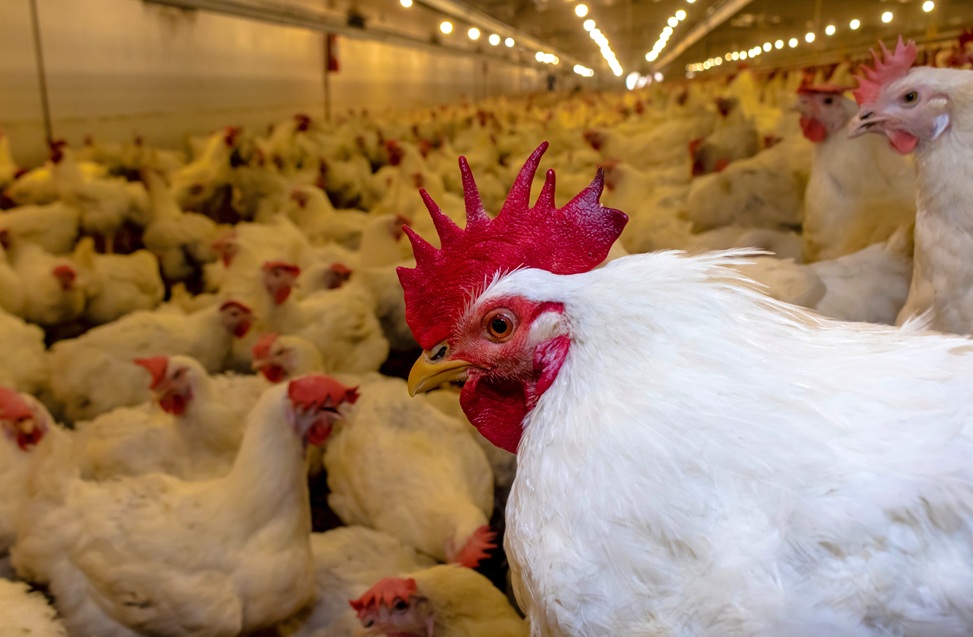
The Ministry of Agriculture has updated information about countries that have lifted restrictions on poultry meat imports due to an unprecedented outbreak of avian flu in Southern Brazil
As reported in this circular, last May, Brazil had just achieved a new poultry export record amid growing global demand and tariff disputes, when the Ministry of Agriculture, Livestock, and Food Supply (MAPA) confirmed the first-ever detection of the Highly Pathogenic Avian Influenza (HPAI) virus on a commercial farm in the country. The outbreak was in Montenegro, a small town located about 60 kilometres from Porto Alegre, in the southernmost state of Rio Grande do Sul. In response, MAPA declared a 60-day animal health emergency while several countries, including traditional buyers of the Brazilian poultry products, imposed temporary full or partial bans on imports.
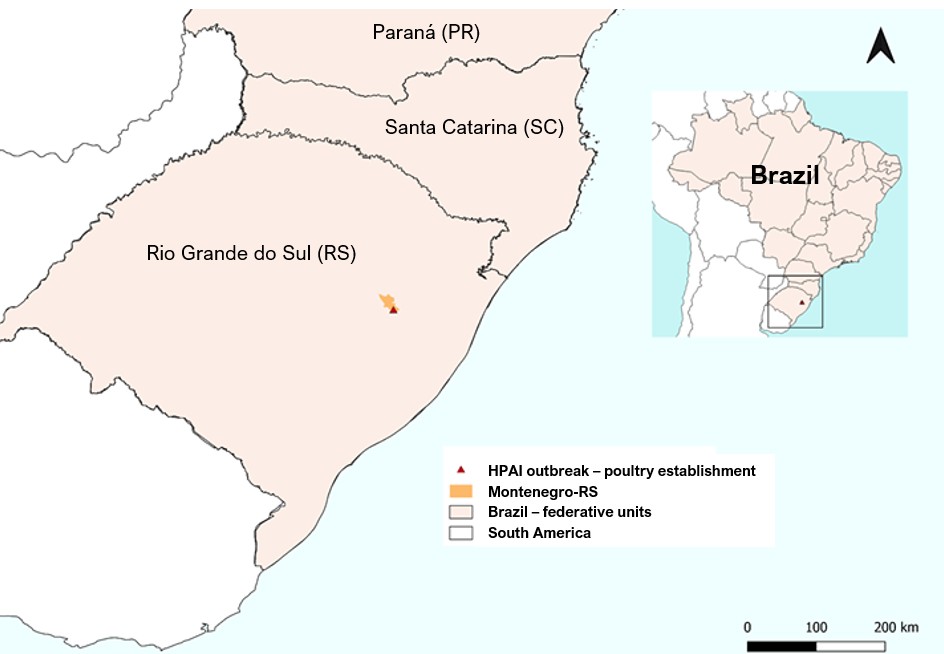
Brazil’s three Southern states are the top national producers and exporters of poultry products. From January 2024 to June 2025, Paraná accounted for approximately 42% of all Brazilian FOB sales, while Santa Catarina contributed around 22% and Rio Grande do Sul covered 13% of the exports.
On 18 June 2025, MAPA formally notified the World Organisation for Animal Health (WOAH) that the sanitary standstill had concluded with no further outbreaks detected. Brazil declared itself free of the HPAI virus in commercial poultry farms and ready to resume trade. Eventually, WOAH updated the status of the avian flu outbreak in Montenegro, Rio Grande do Sul, as resolved.
MAPA has just announced that several countries have reopened their markets to Brazilian chicken products. However, some countries still maintain either regional or full restrictions on imports from Brazil.
According to the Brazilian agricultural authority, restrictions have been completely lifted by Algeria, Argentina, Bolivia, Bosnia and Herzegovina, Cuba, Dominican Republic, Egypt, El Salvador, India, Iraq, Lesotho, Libya, Morocco, Mauritania, Myanmar, Montenegro, Paraguay, Philippines, Singapore, South Africa, Sri Lanka, United Arab Emirates, Uruguay, Vanuatu and Vietnam.
Some countries, including Angola, Armenia, Bahrain, Belarus, Kazakhstan, Kyrgyzstan, Kuwait, Mexico, Namibia, Oman, Russia, Saudi Arabia, South Korea, Tajikistan, Turkey, Ukraine and the United Kingdom have limited their bans to poultry products originating in the state of Rio Grande do Sul. Additionally, Qatar and Jordan have restricted imports to the municipality of Montenegro-RS.
Other nations, such as Hong Kong, Mauritius, New Caledonia, Saint Kitts and Nevis, Suriname and Uzbekistan have confined their restriction to the affected zone, adhering to the principles of regionalisation, as outlined in the WOAH’s Terrestrial Animal Health Code and the Agreement on Application of Sanitary and Phytosanitary Measures (SPS Agreement) of the World Trade Organisation (WTO).
Despite WOAH validating the information submitted by MAPA and formally restoring Brazil’s HPAI-free status, Albania, Canada, Chile, China, East Timor, North Macedonia, Malaysia, Pakistan, Peru, and the European Union are still imposing complete bans on Brazilian poultry meat imports.
Brazil’s swift resolution of the localised HPAI outbreak keeps the country as the world’s second-largest producer of chicken meat, after the United States, and the top global exporter of this commodity.
Preliminary statistics from the federal government indicate that poultry exports from January to June 2025 reached 2.4 million metric tonnes, representing a 0.5% drop in sales compared to the same period in 2024. Conversely, during the first half of this year, the FOB sales of poultry meat amounted to US$4.3 billion, reflecting an increase of about 2.4% in comparison with the previous year.
The Ministry of Agriculture is actively working with traditional trading partners, particularly EU countries, to fully restore access to all poultry markets, ensuring that Brazil retains its status as a key player in the global poultry trade.
Please read our disclaimer.
Related topics:
Rua Itororó, 3 - 3rd floor
11010-071 - Santos, SP - Brazil
Telephone +55 13 4009 9550
proinde@proinde.com.br
Rua Barão de Cotegipe, 443 - Sala 610 - 96200-290 - Rio Grande/RS - Brazil
Telephone +55 53 3233 1500
proinde.riogrande@proinde.com.br
Av. Rio Branco, 45 - sala 2402
20090-003 - Rio de Janeiro, RJ - Brazil
Telephone +55 21 2253 6145
proinde.rio@proinde.com.br
Rua Professor Elpidio Pimentel, 320 sala 401 - 29065-060 – Vitoria, ES – Brazil
Telephone: +55 27 3337 1178
proinde.vitoria@proinde.com.br
Rua Miguel Calmon, 19 - sala 702 - 40015-010 – Salvador, BA – Brazil
Telephone: +55 71 3242 3384
proinde.salvador@proinde.com.br
Av. Visconde de Jequitinhonha, 209 - sala 402 - 51021-190 - Recife, PE - Brazil
Telephone +55 81 3328 6414
proinde.recife@proinde.com.br
Rua Osvaldo Cruz, 01, Sala 1408
60125-150 – Fortaleza-CE – Brazil
Telephone +55 85 3099 4068
proinde.fortaleza@proinde.com.br
Rua dos Azulões, Sala 111 - Edifício Office Tower - 65075-060 - São Luis, MA - Brazil
Telephone +55 98 99101-2939
proinde.belem@proinde.com.br
Tv. Joaquim Furtado, Quadra 314, Lote 01, Sala 206 - 68447-000 – Barcarena, PA – Brazil
Telephone +55 91 99393 4252
proinde.belem@proinde.com.br
Av. Dr. Theomario Pinto da Costa, 811 - sala 204 - 69050-055 - Manaus, AM - Brazil
Telephone +55 92 3307-0653
proinde.manaus@proinde.com.br