New Ballast Water Requirements at Bahia Ports
read more

River pilots have reported concerns regarding air temperature and thermal comfort on ships calling at the hot and humid Amazon ports in Northern Brazil, prompting intervention by local authorities
The Amazon inland waterways encompass Brazil’s most extensive and complex pilotage zones (ZP), affected by substantial seasonal river level fluctuations due to distinct flood and dry seasons. Private pilot associations manage these ZPs under the oversight of the maritime authority.
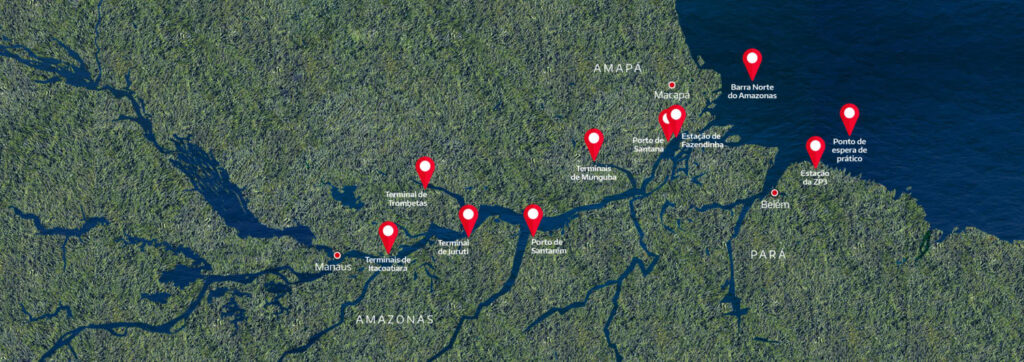
Passages exceeding six hours require two pilots (plus any trainees) working in six-hour shifts, applicable within ZP-01 and ZP-02.
The Amazon region has a predominantly tropical climate marked by high temperatures, high humidity, and persistent rainfall most of the year. Average daily temperatures usually range from 23°C to 24°C at their lowest, and between 31°C and 35°C at their highest, occasionally soaring up to 39°C during heatwaves in the dry season.
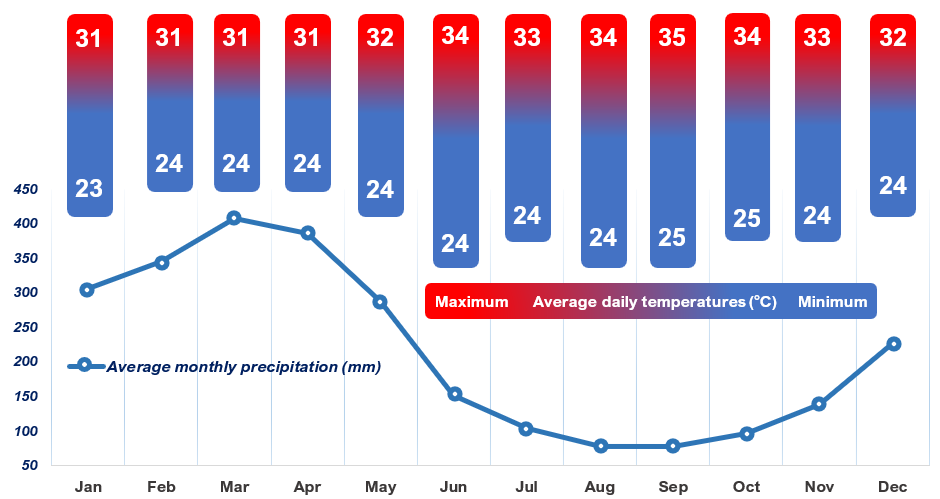
Given the low seasonal thermal amplitude in the region, instead of a traditional four-season cycle, the Amazon climate is markedly divided into a dry season (June-November) and a flood season (December-May). While water levels and rainfall fluctuate significantly between these seasons, the overall weather remains consistently hot and humid year-round.
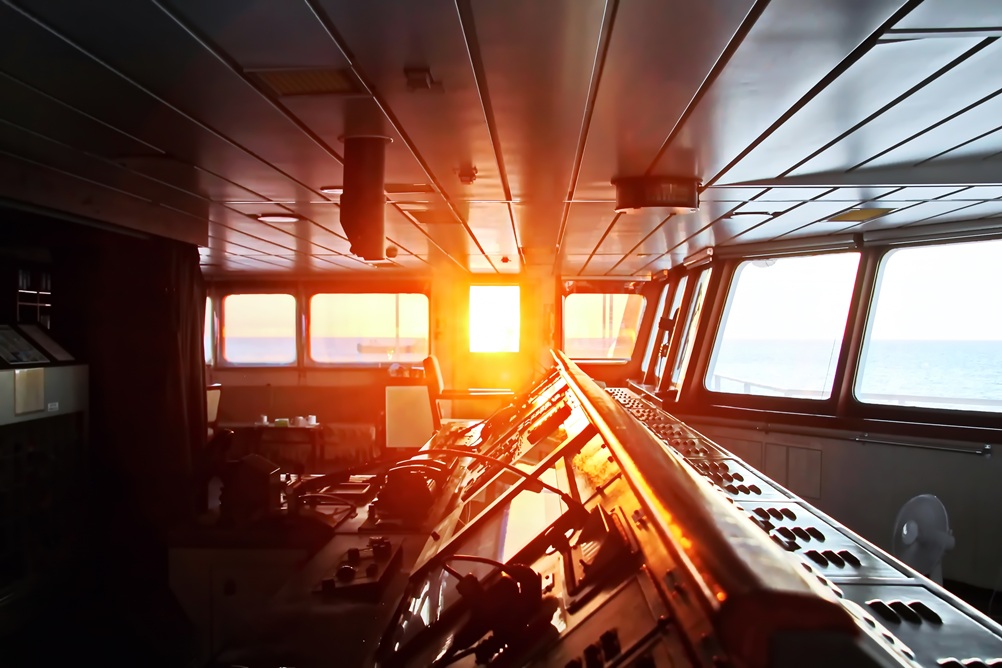
Local pilots have voiced concerns about working conditions, notably concerning air quality and temperature on vessels calling at Amazon ports. Complaints submitted to maritime and labour authorities include extreme heat and thermal discomfort inside ship bridges and accommodations – especially during the dry season, when prolonged daylight and intense solar radiation exacerbate shipboard temperatures.
There have been reports of incidents where pilots have refused to undertake vessel manoeuvring, leading to substantial delays, increased operational costs, and expenses such as pilot stand-by fees, overtime, last-minute cancellations, as well as class surveyor and occupational health and safety (OHS) professionals’ fees, and the procurement of portable air conditioning units for bridges and pilot cabins. Pilots often carry portable thermometers to measure indoor temperatures before proceeding with manoeuvres.
The rising number of these complaints has triggered heightened scrutiny and regulatory actions by local maritime and labour authorities to address thermal comfort on ships and improve working conditions for crews and pilots.
The ILO Maritime Labour Convention (MLC), 2006, sets broad standards for decent living and working conditions on ships. While it lacks specific technical requirements for heating, ventilation, and air-conditioning (HVAC) systems, it recommends that flag states ensure ships maintain adequate indoor air temperature and humidity relative to prevailing outside conditions.
These incidents have led to significant delays and increased costs. Notably, in one case in Santarém, where these issues are apparently more prevalent, the cost stemming from a non-compliant A/C system, followed by pilots’ refusal to manoeuvre the ship, reached nearly half a million dollars for the shipowner.
The Standards of the River Captaincy of the Western Amazon (NPCF-CFAOC), with jurisdiction over the ports covered by ZP-01 and ZP-02, now prescribe minimum conditions for pilot accommodation and thermal comfort on board. In an update issued last July, the local maritime authority lowered the required indoor temperature range from 21°C–26°C to 18°C–25°C, aligning with NR-17 standards.
Beyond routine port state control inspections, which typically assess the maintenance and operational status of HVAC systems, the Regional Labour Public Prosecutor’s Office (MPT), prompted by frequent pilot complaints, has initiated investigations related to thermal controls in workspaces and accommodations, as required by NR-17 and MLC 2006, respectively.
As the drought season approaches, the MPT is collaborating with local maritime authorities, pilot associations, local unions of shipping agents, and other stakeholders to develop strategies for addressing thermal comfort concerns for crews and pilots navigating the Amazon rivers.
To mitigate operational and regulatory risks, ship operators and masters must ensure HVAC systems comply with both international standards and national regulations concerning thermal comfort prior to entering the Amazon ports. Practical steps to achieve compliance include:
While proactive inspections of visiting ships by local labour authorities are unlikely due to resource constraints, they are expected to respond swiftly to complaints about faulty A/C systems. Such responses may include dispatching inspectors to measure air temperatures, assess system performance, or require shipowners to provide independent verification of thermal comfort compliance from OHS providers or other qualified professionals.
Non-compliance may result in administrative inquiries against the shipowner, and depending on the severity of the infraction, fines and other regulatory penalties may be imposed under the applicable statutes.
Please read our disclaimer.
Related topics:
Rua Itororó, 3 - 3rd floor
11010-071 - Santos, SP - Brazil
Telephone +55 13 4009 9550
proinde@proinde.com.br
Rua Barão de Cotegipe, 443 - Sala 610 - 96200-290 - Rio Grande/RS - Brazil
Telephone +55 53 3233 1500
proinde.riogrande@proinde.com.br
Av. Rio Branco, 45 - sala 2402
20090-003 - Rio de Janeiro, RJ - Brazil
Telephone +55 21 2253 6145
proinde.rio@proinde.com.br
Rua Professor Elpidio Pimentel, 320 sala 401 - 29065-060 – Vitoria, ES – Brazil
Telephone: +55 27 3337 1178
proinde.vitoria@proinde.com.br
Rua Miguel Calmon, 19 - sala 702 - 40015-010 – Salvador, BA – Brazil
Telephone: +55 71 3242 3384
proinde.salvador@proinde.com.br
Av. Visconde de Jequitinhonha, 209 - sala 402 - 51021-190 - Recife, PE - Brazil
Telephone +55 81 3328 6414
proinde.recife@proinde.com.br
Rua Osvaldo Cruz, 01, Sala 1408
60125-150 – Fortaleza-CE – Brazil
Telephone +55 85 3099 4068
proinde.fortaleza@proinde.com.br
Rua dos Azulões, Sala 111 - Edifício Office Tower - 65075-060 - São Luis, MA - Brazil
Telephone +55 98 99101-2939
proinde.belem@proinde.com.br
Tv. Joaquim Furtado, Quadra 314, Lote 01, Sala 206 - 68447-000 – Barcarena, PA – Brazil
Telephone +55 91 99393 4252
proinde.belem@proinde.com.br
Av. Dr. Theomario Pinto da Costa, 811 - sala 204 - 69050-055 - Manaus, AM - Brazil
Telephone +55 92 3307-0653
proinde.manaus@proinde.com.br