Agribusiness and Port Logistics Brace for El ...
read more

The 2026/27 El Niño cycle is expected to strain Brazil’s agriculture and shipping sectors. While drought and heat threaten central and northern corridors, heavy rain risks causing severe bottlenecks at southern ports
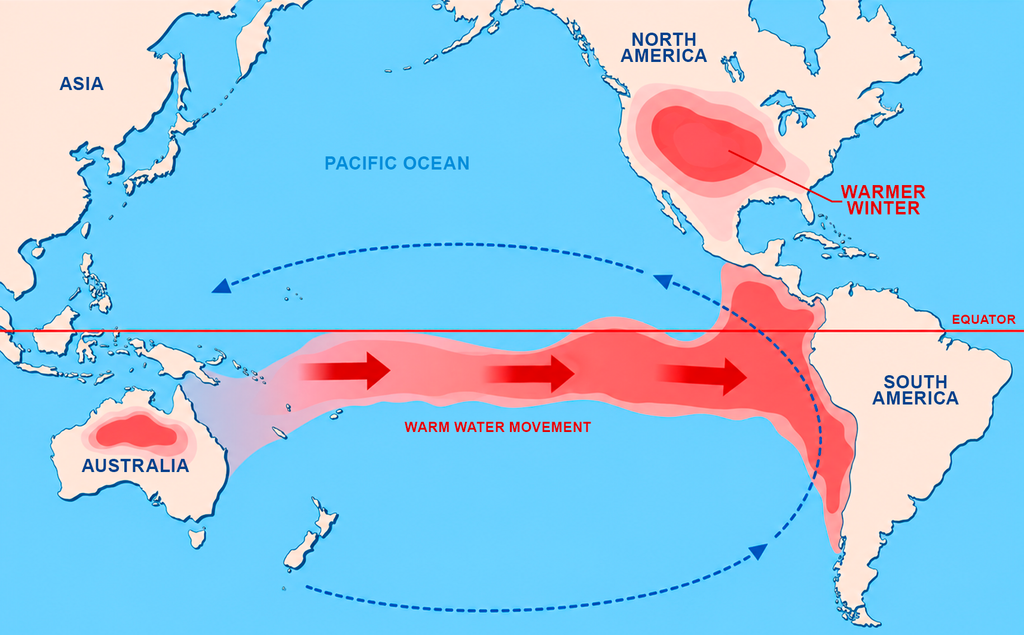
El Niño, officially declared by the US National Oceanic and Atmospheric Administration (NOAA) in June 2026, is forecast to peak from late 2026 to early 2027, overlapping with crucial planting and crop development stages.
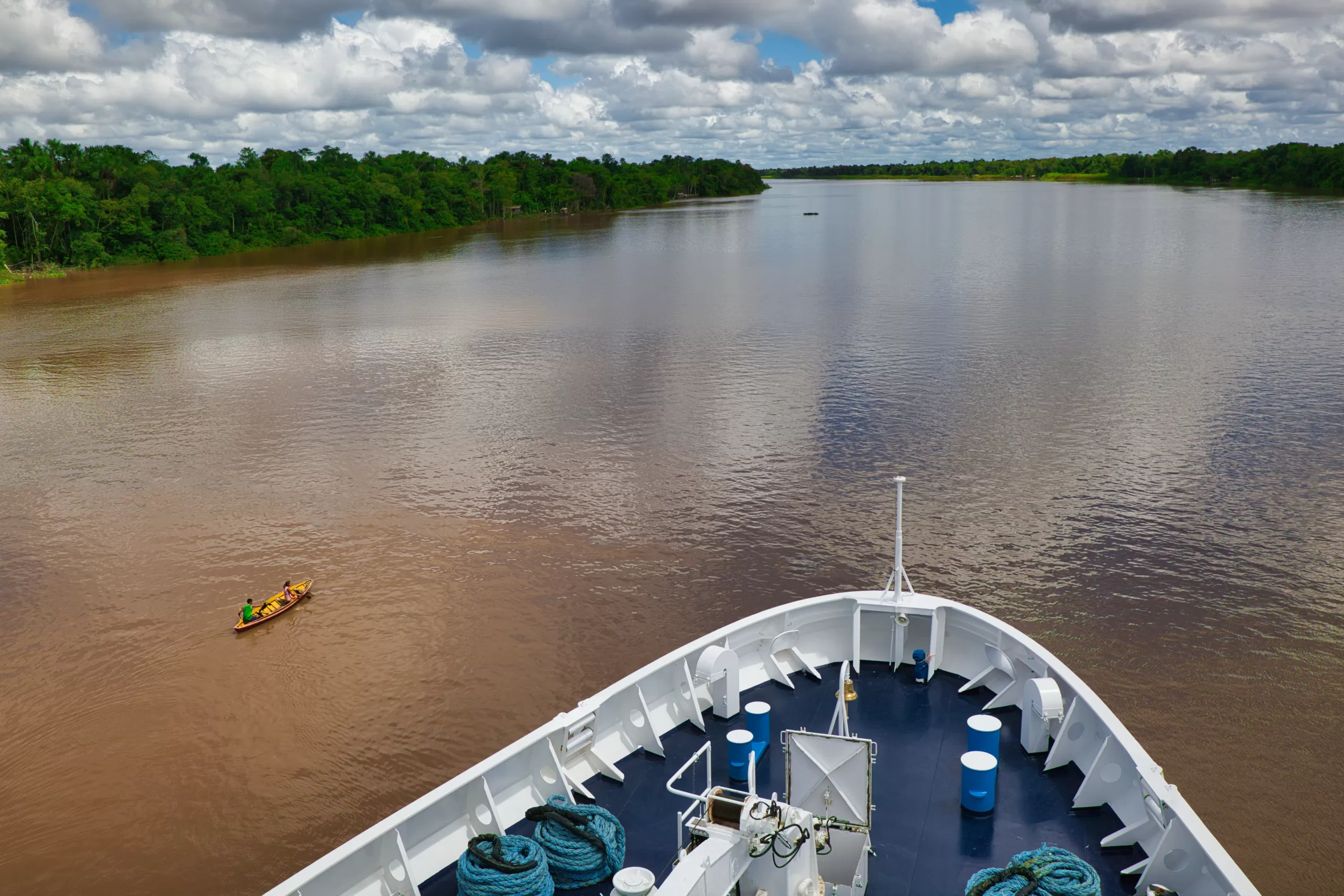
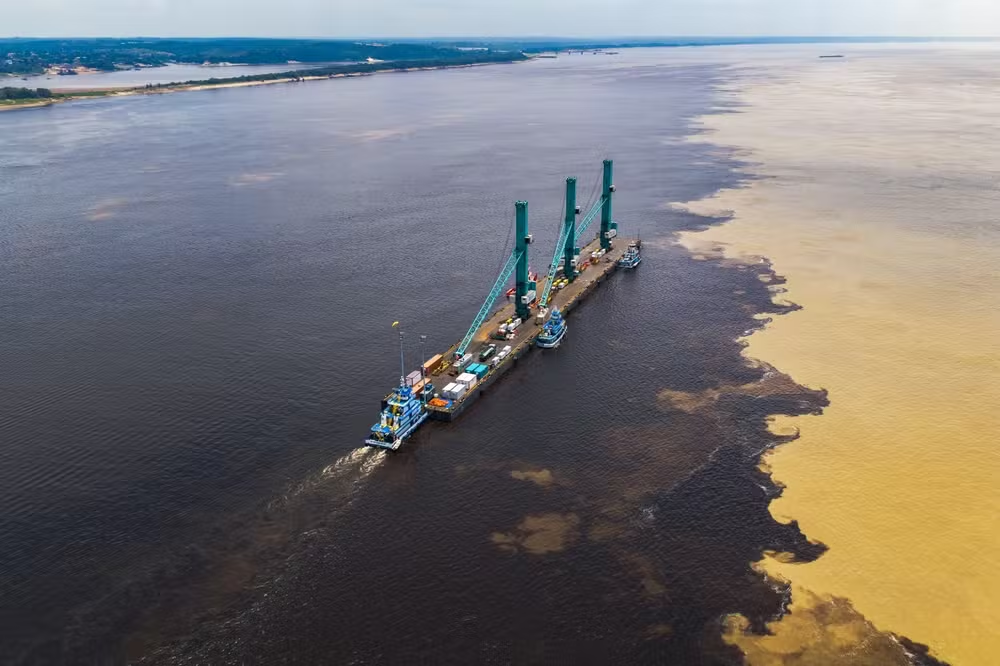
This environmental stress significantly impacts the Northern Arc shipping corridors, which now handle half of Brazil’s grain export flows. Severe drought across the Amazon basin has triggered sharp drops in river levels along the Amazon, Madeira, Solimões, and Tapajós rivers. Consequently, local maritime authorities are implementing strict draught limits and night navigation bans, forcing barge convoys and ocean-going vessels to reduce their cargo intake by up to 50%.
Ocean carriers have introduced Low Water Surcharges (LWS), subject to advance notice and scrutiny by the National Waterway Transport Agency (ANTAQ), which requires comprehensive technical justification to cover extraordinary operational expenditures and minimise disruptions to ocean-going and cabotage navigation to and from the strategic Manaus Free Trade Zone (ZFM) in the Western Amazon.
| Waterway Port facilities affected | Restrictions & Constraints | Operational Draft | Technical & Safety Requirements |
|---|---|---|---|
| Amazon Mouth (North Bar) Santana (Macapá) | Regulated via Ordinance 223/Com4ºDN over the Grande do Curuá Channel and Muddy Arc (Arco Lamoso). Restrictions reflect the active Dry Season cycle (16 Aug to 31 Jan). | • 11.70 m: ordinary cargo ships; • 11.50 m: tankers & ships carrying dangerous goods. | Deep-draft crossings must coincide with high tide. Anchoring is strictly prohibited within the defined Muddy Arc. Minimum net UKC: 0.50 m for merchant ships; 0.80 m for ships carrying dangerous goods. Pilotage is compulsory for drafts over 11.51 m. |
| Amazon Mouth (Pará River) Vila do Conde (Barcarena), Belém (Outeiro) | Regulated via Ordinance 520/Com4ºDN over the Quiriri and Mosqueiro Channels. Parameters establish permanent draft and dimensions following long-term hydrographic monitoring. | Quiriri Channel: • 14.10 m: ordinary cargo ships; • 13.90 m: tankers & dangerous goods. Mosqueiro Channel: • 11.50 m: ordinary cargo ships; • 11.40 m: tankers & dangerous goods | Vessels transiting the Quiriri Channel must maintain a minimum UKC of 1.50 m, navigate on a rising tide, observe dimensional caps (max. LOA 292 m / beam 45 m), and engage compulsory pilotage for sailing drafts above 12.20 m. |
| Amazon River Itacoatiara, Novo Remanso, Manaus | High risk at critical choke points such as the Tabocal Passage and the mouth of the Madeira River. Heavy cargo capping required. | 8.00 m – 8.30 m (hydrologically fluid) | Daylight-only transit mandatory if water depth drops below 1.5 times the vessel’s current draft. Minimum speed must be maintained while keeping manoeuvrability. |
| Solimões River Coari, Tabatinga | Bottlenecks concentrated at the mouth of the Purus River. Severe structural capacity limitations. | ~7.50 m – 8.00 m (highly vessel dependent) | Strict requirements to navigate at the lowest speed compatible with safe manoeuvring. |
| Madeira River Porto Velho barging hub, Novo Remanso, Itacoatiara, downriver barge convoys | Critical draft reductions causing barge convoys and bulk intakes to downscale payload by up to 50%. | Shallow barges only (bulk ocean-going traffic suspended) | Regulated under emergency federal dredging framework along this waterway. Severe cargo intake caps apply. |
| Tapajós River Miritituba barging hub, Santarém, downriver barge convoys | Severe low water levels between Miritituba (Itaituba) and Santarém. Heavy reduction of barge convoy size and cargo allocations. | Restricted to low intake (up to 50% capacity drops) | Private-sector maintenance dredging active at critical shoals following the suspension of public-sector DNIT bidding. |
| Santarém Public Port of Santarém (CDP), Cargill Terminal | Deepwater berths remain largely operational for ocean-going vessels, but grain supply is throttled by upstream river constraints. | 11.55 m BW (subject to North Bar caps) | Vessels must cross-verify active inner-river bathymetric data. Sailing draft ultimately dictated by the Amazon’s North Bar limits. |
In the Central-West region, irregular rainfall and high temperatures could delay soya bean planting, shortening the window for second-season maize (known as “safrinha”) and cotton. As grain traders attempt to bypass the restricted Amazon waterways, bulk cargo volumes are being rerouted to traditional maritime gateways in the south, creating logistical bottlenecks. Meanwhile, the South faces above-average rainfall, raising flood and disease risks while introducing operational constraints to port terminal throughput.
The South’s El Niño-driven weather pattern creates operational hurdles for major port complexes such as Santos and Paranaguá. Persistent rain stoppages mean dry-bulk loading and discharging operations cannot safely proceed during downpours due to the high risk of cargo wetting and moisture damage. These frequent and prolonged rain-related line closures create port congestion, considerably inflating waiting times at anchorages for vessels queuing to load agriproducts or discharge imported fertilisers, leading to steep demurrage costs.
Soya beans may benefit from improved soil moisture and rainfall in parts of the South, but planting delays and replanting could reduce yields in the Central-West and MATOPIBA (comprising the states of Maranhão, Tocantins, Piauí, and Bahia, in the Northeast region). In a worst-case scenario, national soya bean output, which is forecast to reach record levels in the ongoing marketing season, could potentially decline by up to 6%. Second-season maize is particularly exposed because delayed soya beans leave it vulnerable to heat and water deficits during the grain-filling stage.
Livestock producers may face poorer pasture conditions, reduced water availability and heat stress, which can lower feed intake, productivity, and fertility. High humidity can also increase disease risks, especially in dairy herds and poultry.
Weather disruptions and logistical bottlenecks are driving up operational costs across the maritime supply chain. Farmers and traders face increased expenses for feed, irrigation, replanting, inland freight rerouting, vessel demurrage, and insurance, all of which directly squeeze farm margins and elevate food prices. Robust risk management requires carriers and traders to implement advanced hydrological monitoring, critically review weather-delay clauses in charter party agreements, and systematically incorporate extended port stay windows into seasonal supply chain budgeting. While El Niño does not guarantee production losses, it is important to recognise the inherent uncertainty of climate events; its projected severity nevertheless calls for immediate, proactive mitigation planning for the 2026/27 marketing season
Please read our Disclaimer
Related Topics:
Rua Itororó, 3 - 3rd floor
11010-071 - Santos, SP - Brazil
Telephone +55 13 4009 9550
proinde@proinde.com.br
Rua Barão de Cotegipe, 443 - Sala 610 - 96200-290 - Rio Grande/RS - Brazil
Telephone +55 53 3233 1500
proinde.riogrande@proinde.com.br
Av. Rio Branco, 45 - sala 2402
20090-003 - Rio de Janeiro, RJ - Brazil
Telephone +55 21 2253 6145
proinde.rio@proinde.com.br
Rua Professor Elpidio Pimentel, 320 sala 401 - 29065-060 – Vitoria, ES – Brazil
Telephone: +55 27 3337 1178
proinde.vitoria@proinde.com.br
Rua Miguel Calmon, 19 - sala 702 - 40015-010 – Salvador, BA – Brazil
Telephone: +55 71 3242 3384
proinde.salvador@proinde.com.br
Av. Visconde de Jequitinhonha, 209 - sala 402 - 51021-190 - Recife, PE - Brazil
Telephone +55 81 3328 6414
proinde.recife@proinde.com.br
Rua Osvaldo Cruz, 01, Sala 1408
60125-150 – Fortaleza-CE – Brazil
Telephone +55 85 3099 4068
proinde.fortaleza@proinde.com.br
Rua dos Azulões, Sala 111 - Edifício Office Tower - 65075-060 - São Luis, MA - Brazil
Telephone +55 98 99101-2939
proinde.belem@proinde.com.br
Tv. Joaquim Furtado, Quadra 314, Lote 01, Sala 206 - 68447-000 – Barcarena, PA – Brazil
Telephone +55 91 99393 4252
proinde.belem@proinde.com.br
Av. Dr. Theomario Pinto da Costa, 811 - sala 204 - 69050-055 - Manaus, AM - Brazil
Telephone +55 92 3307-0653
proinde.manaus@proinde.com.br